Scientist · Author · Speaker
Climate and nature futures — with realism and hope
How our food, energy and economic systems can change fast enough to avoid the worst of the climate crisis — told through evidence, honesty about the risks, and clarity about where real progress is already happening.
British Academy Global Professor, Oxford Martin School, University of Oxford
Visiting Professor, Institute of Environmental Sciences (CML), Leiden University
Senior Research Fellow, Wellbeing Research Centre, University of Oxford

Talks and Interviews
All talks & interviews →
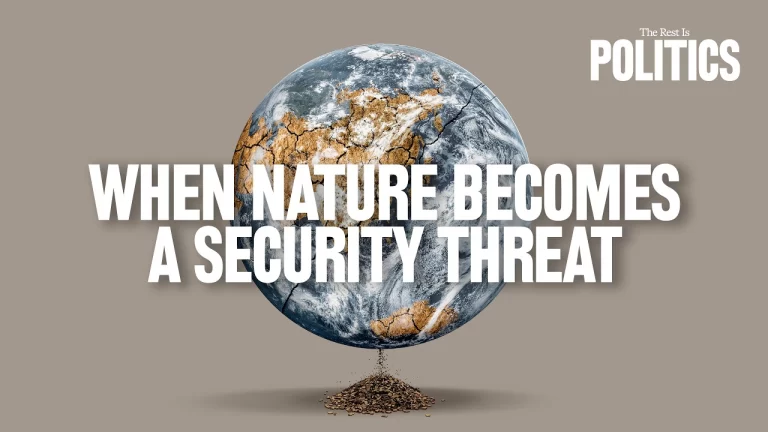

In the media
All media →
Are more food price increases on the way from El Niño?

‘Some aren’t going to make it’: how pressure on farmers threatens UK food security

UK’s preparation for food shortages is ‘woefully inadequate’, experts warn
British government ‘complacent about food as a national security matter’

UK ‘desperately needs mass food storage sites in case of national emergencies or war’

Editor’s picks: food resilience, Aldi x Deliveroo, JBS court case
Books
All books →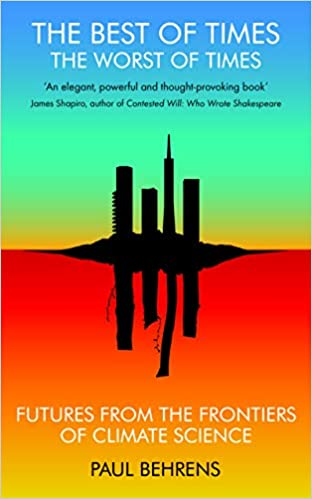
The Best of Times, The Worst of Times
Futures from the frontiers of climate science, told in paired chapters of pessimism and hope. The Indigo Press, 2020.
Read more →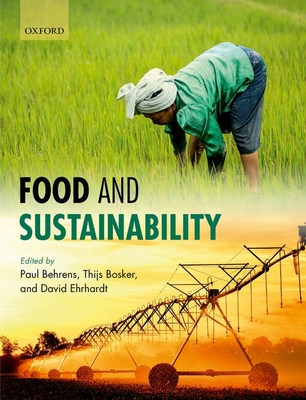
Food and Sustainability
The interdisciplinary textbook, edited and co-authored. Oxford University Press, 2020.
Read more →Latest research
All research →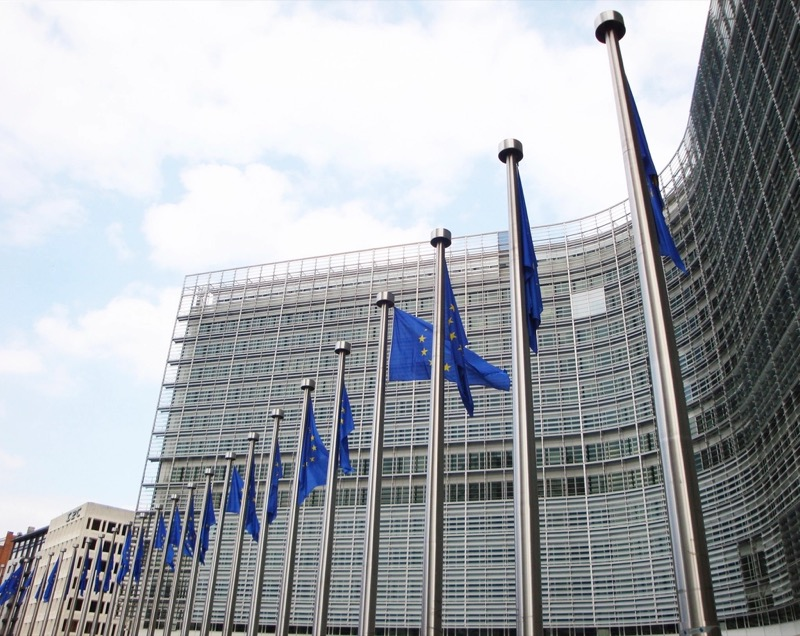 Compares the EU and US from 1990 to 2023 using a well-being framework drawn from five schools of thought. The US widened its income and productivity lead, but the EU caught up on life satisfaction and education, has led on life expectancy since 1999, and emits less than half the US's consumption-based CO2 per person.Ecological Economics · 2027Is Europe a laggard? Comparing the EU and the US using an interdisciplinary well-being frameworkCompares the EU and US from 1990 to 2023 using a well-being framework drawn from five schools of thought.
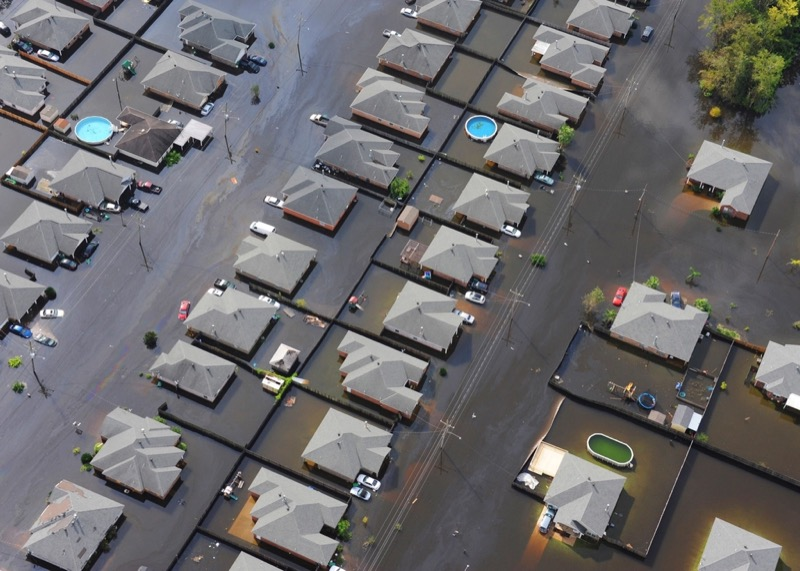 Maps more than 1,400 urban resilience documents from 2000 to 2023 and finds over 60% come from China, the USA, the UK, and the Netherlands, with developed countries favouring ecological solutions and developing countries infrastructure and technology.Environmental Science & Policy · 2026Tracking the evolution of urban resilience: A systematic review of research themes and trends over two decadesMaps more than 1,400 urban resilience documents from 2000 to 2023 and finds over 60% come from China, the USA, the UK, and the Netherlands, with developed…
 Argues that governments need a shared framework to reconcile security assessments warning of ecosystem collapse with fiscal models putting UK GDP losses near 5% at 3 °C by the 2070s, because under-preparing for irreversible harm costs far more than over-preparing.Nature Climate Change · 2026Governments must reconcile dissonant climate assessment approachesArgues that governments need a shared framework to reconcile security assessments warning of ecosystem collapse with fiscal models putting UK GDP losses near…
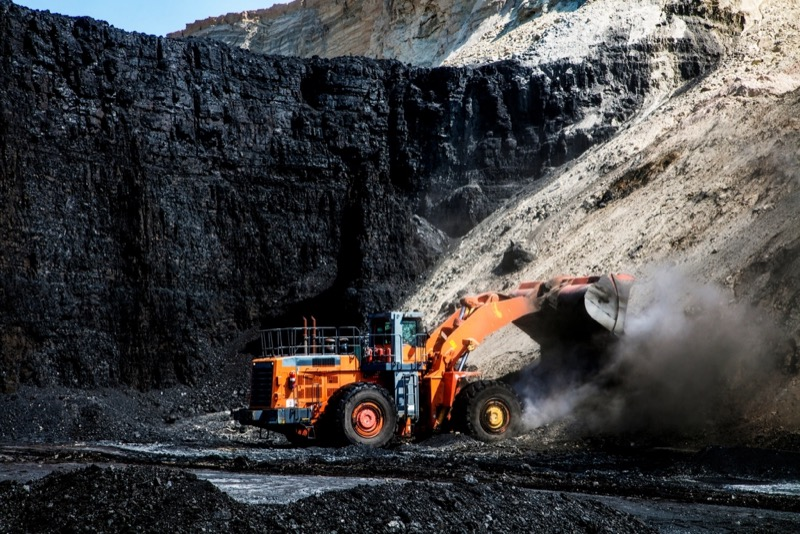 Projects China's fossil fuel emissions at 98.9 to 148.5 GtCO2e over 2024 to 2050 under existing plans, and shows that sequencing extraction infrastructure retirements by emissions could avoid 3.8 to 4.8 GtCO2e while adding 4 to 6 million job-years and cutting net system costs by about US$34 to 71 billion.iScience · 2026Large emission mitigation potential from sequencing fossil fuel extraction infrastructure retirement in ChinaProjects China's fossil fuel emissions at 98.9 to 148.5 GtCO2e over 2024 to 2050 under existing plans, and shows that sequencing extraction infrastructure…
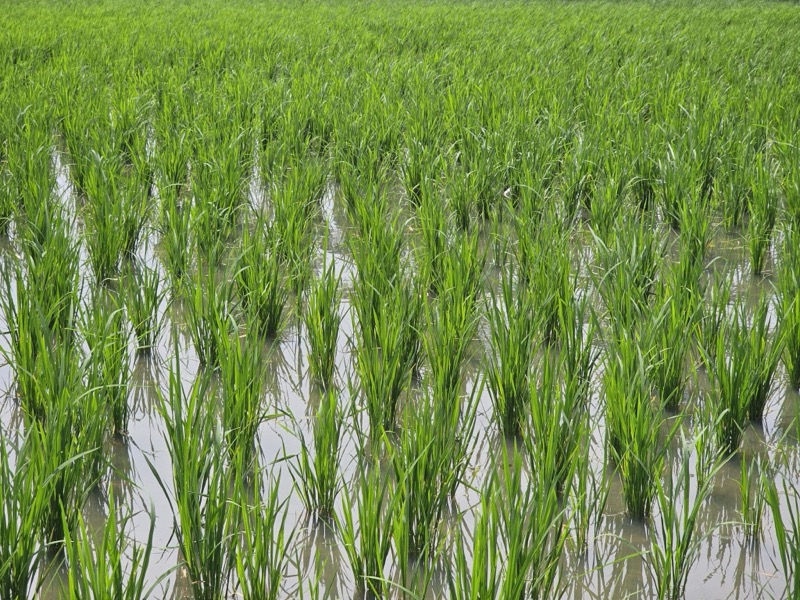 Interprovincial trade in rice, wheat, and maize cut China's production-stage greenhouse gas emissions by 35.7 Mt CO2-eq (9.7%) and reactive nitrogen losses by 1.17 Mt N-eq (16.3%) in 2022 versus local self-supply, though seven provinces faced opposing carbon and nitrogen effects.Journal of Cleaner Production · 2026Aggregate gains and crop-driven trade-offs in the carbon and nitrogen footprints of China's interprovincial trade in rice, wheat and maizeInterprovincial trade in rice, wheat, and maize cut China's production-stage greenhouse gas emissions by 35.7 Mt CO2-eq (9.7%) and reactive nitrogen losses by…
 Maps long-term carbon and biodiversity losses from agricultural land use worldwide, showing two-thirds of losses fall in one-third of the area and that animal-sourced foods drive 59% of carbon and 71% of biodiversity losses.Nature Food · 2026High-resolution carbon and biodiversity mapping shows correlated losses across space and agricultural productsMaps long-term carbon and biodiversity losses from agricultural land use worldwide, showing two-thirds of losses fall in one-third of the area and that…