Lectures, podcasts, broadcast interviews, parliamentary briefings and press comment, newest first. Filter by kind.
Selected talks
All 19 talks ↓2026
 PRESS‘Some aren’t going to make it’: how pressure on farmers threatens UK food securityPaul spoke to The Guardian about the pressures on UK food security: “Historically we have done pretty well coping with specific events such as Covid and we’ve managed to ride through them, but we’re moving into a period where we’re having multiple crises impact at the same time.”The Guardian · 11 Oct 2026
 PRESSUK’s preparation for food shortages is ‘woefully inadequate’, experts warnPaul was among more than 150 experts who signed an open letter to Andy Burnham warning the UK is “complacent” on food security: “The public has been led to assume that food will simply be there. It may not be, unless the UK’s food system is transformed for the world of climate, ecosystem, and geopolitical volatility.”The Independent · 5 Oct 2026PRESSBritish government ‘complacent about food as a national security matter’Paul was among more than 150 experts who signed an open letter to Andy Burnham warning that Britain has no plan to feed people in a crisis: “Food resilience, healthy diet and environmental benefits all point in the same direction: grow more of the vegetables, fruit and pulses people actually need, closer to home.”The Guardian · 5 Oct 2026
 PRESSUK ‘desperately needs mass food storage sites in case of national emergencies or war’Paul signed the open letter to Andy Burnham calling for national, regional and community food storage sites: “Food resilience, healthy diet, and environmental benefits all point the same direction: grow more of the vegetables, fruit and pulses people actually need, closer to home.”The Mirror · 5 Oct 2026
 PRESSEditor’s picks: food resilience, Aldi x Deliveroo, JBS court caseThe Grocer’s editor’s picks pointed readers to Paul’s contribution to the National Emergency Briefing: “While refusing to sugarcoat the severe risks facing the UK food system, Behrens also outlines actionable solutions which, if implemented, would be completely transformative.”The Grocer · 2 Oct 2026
 PRESSRevealed: factory farm pollution is costing the UK £130m a yearPaul spoke to The Bureau of Investigative Journalism about the health costs of ammonia pollution from industrial pig and poultry farms: “Every time I look at the literature there are more problems… The impacts have kept growing and we have repeatedly underestimated the costs.”The Bureau of Investigative Journalism · 1 Oct 2026PRESSHundreds of experts urge Burnham to reject new North Sea drilling days before PM meets Trump for the first timePaul was among 575 climate scientists, health professionals, and conservationists who signed a letter urging Prime Minister Andy Burnham to reject the Rosebank oil field: “approval of Rosebank would be ignoring the warnings of scientific research on climate change.”The Independent · 17 Sep 2026
 PRESSUK government urges citizens to ‘stockpile food’ amid threats from climate and hostile statesPaul spoke to ABC Radio National about the UK government urging households to stockpile food, and what Britain’s just-in-time supply is exposed to: “It’s a pro-social act, because it means then that when we do have some sort of impact, we have food available for other people.” Listen to the full interview.ABC Radio National · 1 Sep 2026
 PODCASTClimate change is coming for our food (Dr Gilbz)Dr Gilbz · 28 Aug 2026
 PODCASTHow to fix our vulnerable food system (Bloomberg Zero)Zero: The Climate Race · 27 Aug 2026
 BROADCASTDrought, Failing Harvests and Food Prices (BBC Business Today)BBC Business Today · 18 Aug 2026
 BROADCASTFood and drought in the UK — Sky News MorningsSky News Mornings · 17 Aug 2026
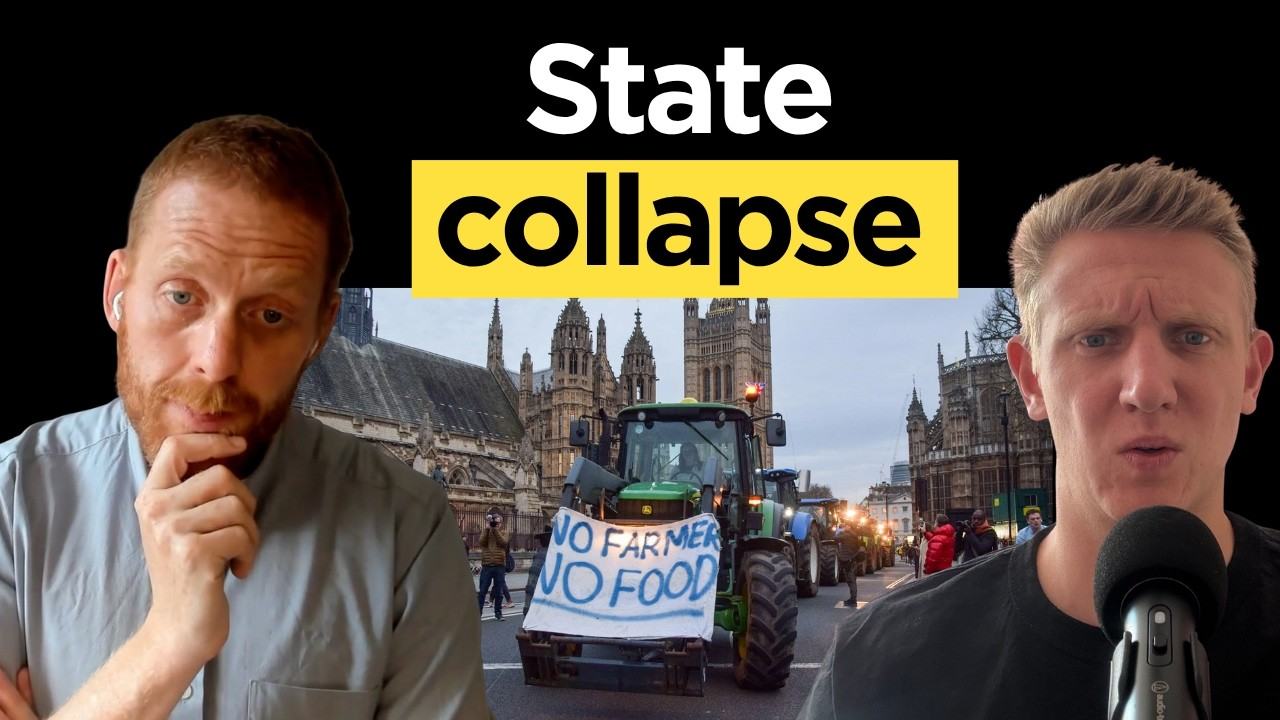 BROADCASTWill The 2026 Drought Collapse The UK’s Food System?YouTube · 11 Aug 2026
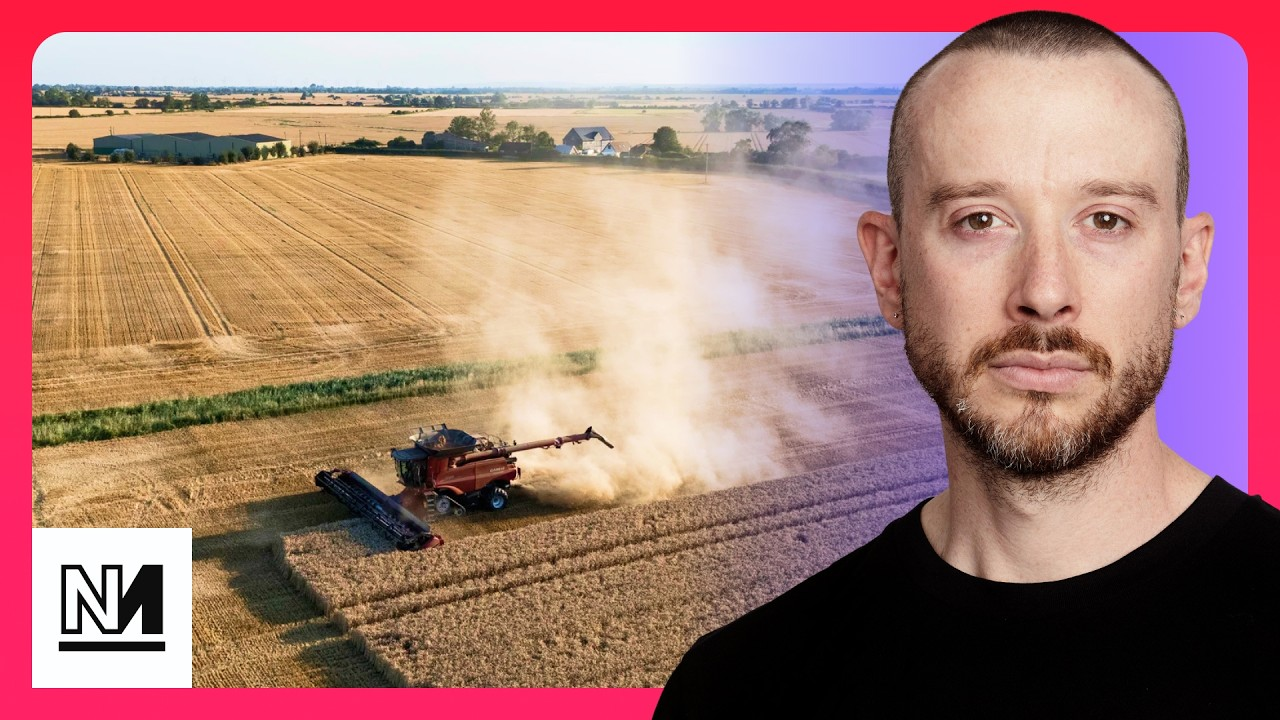 BROADCASTDrought and the UK's food supply — Novara LiveNovara Live · 10 Aug 2026
 PRESSHeatwave forces farmers to abandon crops as harvests failPaul spoke to The Times about Britain’s failing harvest: “One bad harvest, one warm year, that’s weather. But three of the worst harvests in the last five years? That’s climate change.”The Times · 3 Aug 2026
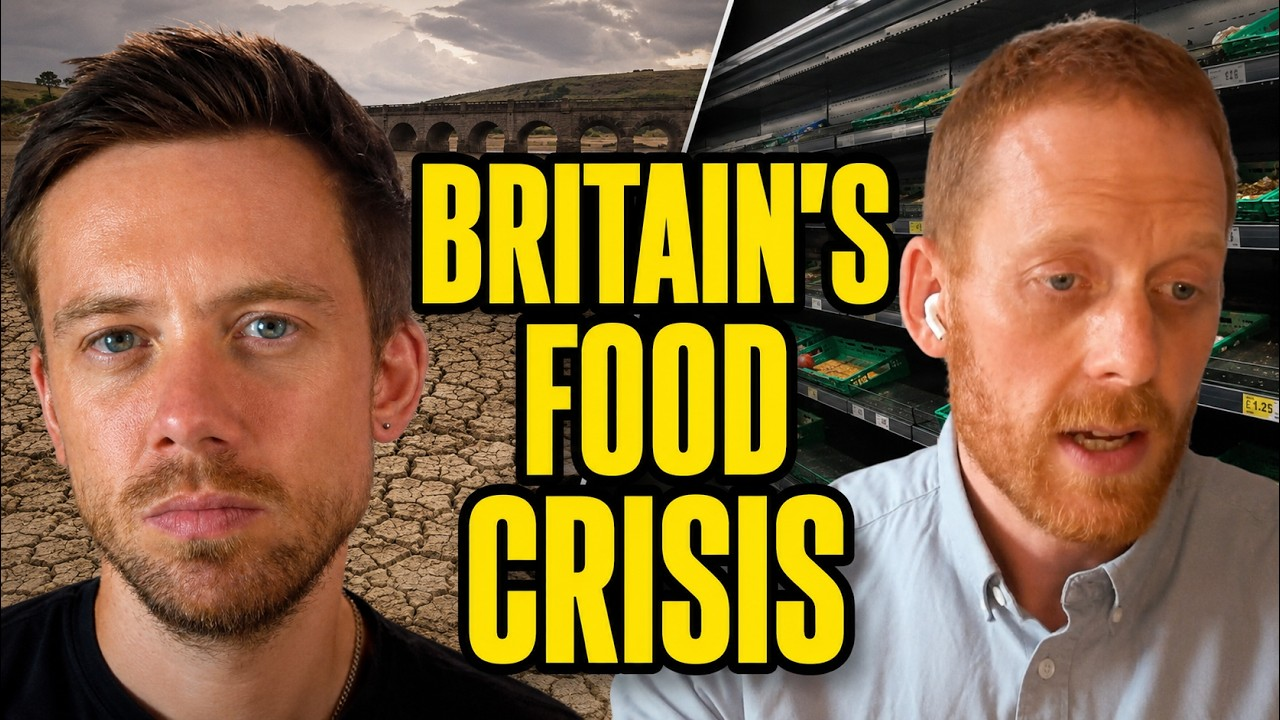 BROADCASTBritain Is on a “Pathway to Collapse”, Expert WarnsInterview clip · 31 Jul 2026PRESSWhat British food items are at risk due to extreme drought conditionsPaul spoke to The Independent about which British foods are most at risk from England’s drought. Field vegetables — potatoes, carrots, onions, cabbage, lettuce and brassicas among them — are especially susceptible, as they are often grown in areas that have had little rainfall this summer.The Independent · 30 Jul 2026
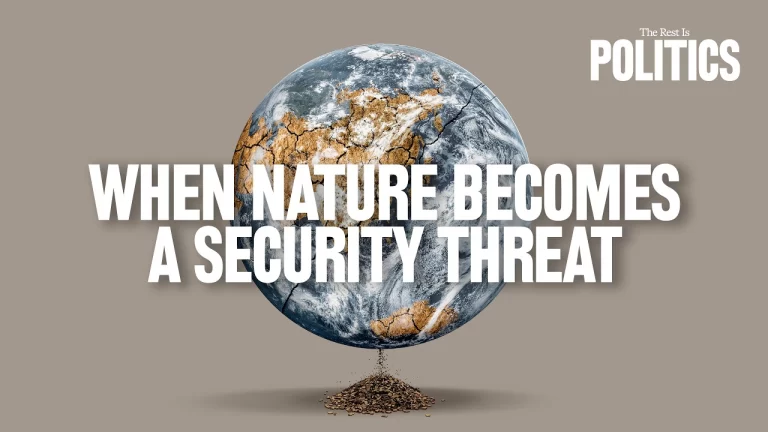 PODCASTThe Rest Is Politics: Britain's Food Security CrisisThe Rest Is Politics · 23 Jul 2026PRESSBritons will struggle to put food on table as heatwaves become the norm, scientists warnPaul spoke to The Independent about the UK food security crisis as heatwaves intensify: “Farmers are contending with an endless sequence of really extreme rain, heat, drought, and storm events, and this is all affecting the way in which we’re growing food.”The Independent · 26 Jun 2026
 PRESSWarning 1976-style heatwave could become normalPaul spoke to BBC News about the risk that escalating heatwaves pose to UK food supplies: “British families will struggle to put food on the table as heatwaves escalate over the coming decades and cause multiple harvest failures in the UK and around the world.”BBC News · 23 Jun 2026
 PRESSThe World’s Top Consumers Cause Up to $5.7 Trillion in Environmental Damage Every YearTime covered the study Paul co-authored on the environmental damage of the world’s highest-consuming 10% — most of them in the US and Europe — which it puts at up to $5.7 trillion a year.Time · 18 Jun 2026PRESS‘Mega-consumers’ of food and energy cost environment $5.7tn a year, study findsThe Guardian covered new research co-authored by Paul Behrens on the environmental damage caused by the world’s highest-consuming 10%. Paul said: “The top 10% are important not only because they cause the most damage but also because they hold the most leverage to reduce it.”The Guardian · 18 Jun 2026
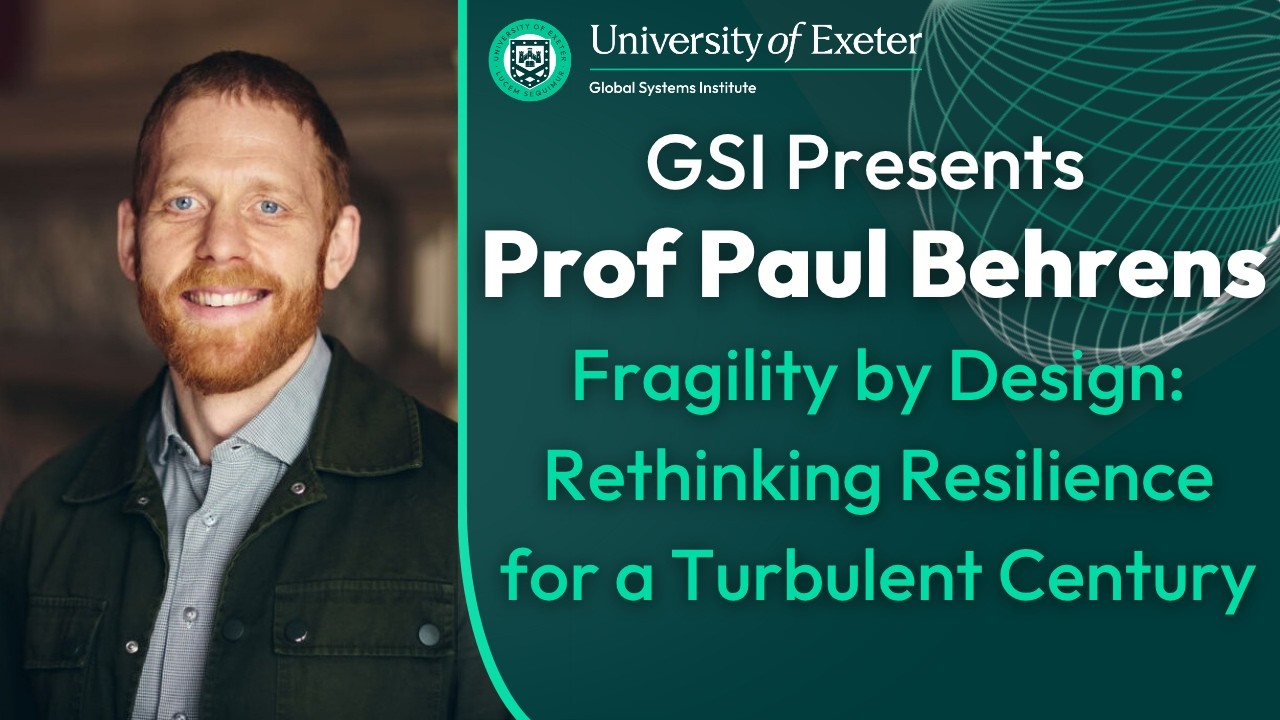 TALKFragility by Design: Rethinking Resilience for a Turbulent CenturyGlobal Systems Institute · 3 Jun 2026
 PRESSHow a ‘Godzilla’ El Niño could plunge the world into irreversible chaosPaul spoke to The Telegraph about how a strong El Niño could compound climate shocks and drive displacement: “People generally don’t want to leave their homeland. Things have to become really bad before people move.”The Telegraph · 3 Jun 2026PRESSThe climate is changing, and so too must BritainIn a letter to The Guardian responding to the Climate Change Committee’s warnings on the UK’s climate readiness, Paul urged support for stronger legislation: “I would urge them to pick the nature and national security bill that the campaign group Zero Hour has proposed.”The Guardian · 27 May 2026
 BROADCASTClimate Extremes: Agriculture (documentary)Documentary · 20 May 2026
 PRESSTop climate scientists accuse the livestock industry of pushing fuzzy mathPaul spoke to Inside Climate News about scientists’ warning that ‘no additional warming’ methane targets entrench high emissions: “What worries us as scientists is that other countries are now seriously weighing these targets. The danger is that one country adopts them, then the next, and the next.”Inside Climate News · 20 May 2026
 PODCASTProfessor Paul Behrens: InterviewInterview · 19 May 2026
 BRIEFINGSecure Your Future: Nature + National Security BillZero Hour · 14 May 2026
 BY PAULHow the world can avoid millions going hungry when supply chains collapsePaul co-wrote this piece for The Conversation with Jasper Verschuur (TU Delft), setting out four ways to build a food system that can withstand supply-chain shocks — from green-ammonia fertiliser and larger stockpiles to plant-based proteins and electrifying transport instead of biofuels.The Conversation · 14 May 2026
 PODCASTWhat's at stake for the UK (Lean into Climate, UK Health Radio)UK Health Radio · 2 Apr 2026PRESSUK looks to relax planning rules for factory farms after industry lobbyingPaul spoke to The Guardian about UK plans to relax planning rules for factory farms after industry lobbying, calling the food-security case for intensive poultry “illusory” because the sector “depends on imports for feed and vitamins, while making us more vulnerable to disease outbreaks like avian flu”.The Guardian · 2 Apr 2026
 PODCASTA Global Food Crisis Is Coming – And We Need to Prepare (New Scientist)New Scientist · 1 Apr 2026
 PRESSFood shock is inevitable due to the Iran war — and it could get badPaul spoke to New Scientist about food-security risks from the Iran war and Europe’s use of crops for fuel: “We’re burning about 15 million loaves of bread in Europe every day for biofuels. This is a crazy way to produce energy.”New Scientist · 31 Mar 2026PRESSNew planning rule proposals ‘risk undermining food security’The Grocer · 5 Mar 2026
 PRESSOpen letter: new planning rules risk UK food securityPaul published an open letter via Sustain warning that proposed revisions to the National Planning Policy Framework could make it easier to approve intensive livestock units in the name of ‘food production’, undermining the food security the government seeks to promote.Sustain · 5 Mar 2026
 PRESSIs grass-fed beef really better for the climate?Paul spoke to The Star about whether grass-fed beef is better for the climate, and the land-use trade-offs involved: “Land is not free. The question is, what else could we be using it for?”The Star · 18 Feb 2026
 BRIEFINGNational Emergency Briefing: Food Security (highlights)National Emergency Briefing · 2 Feb 2026
 BRIEFINGInnovation and global food security at the Science, Innovation and Technology CommitteeHouse of Commons committee · 20 Jan 2026
2025
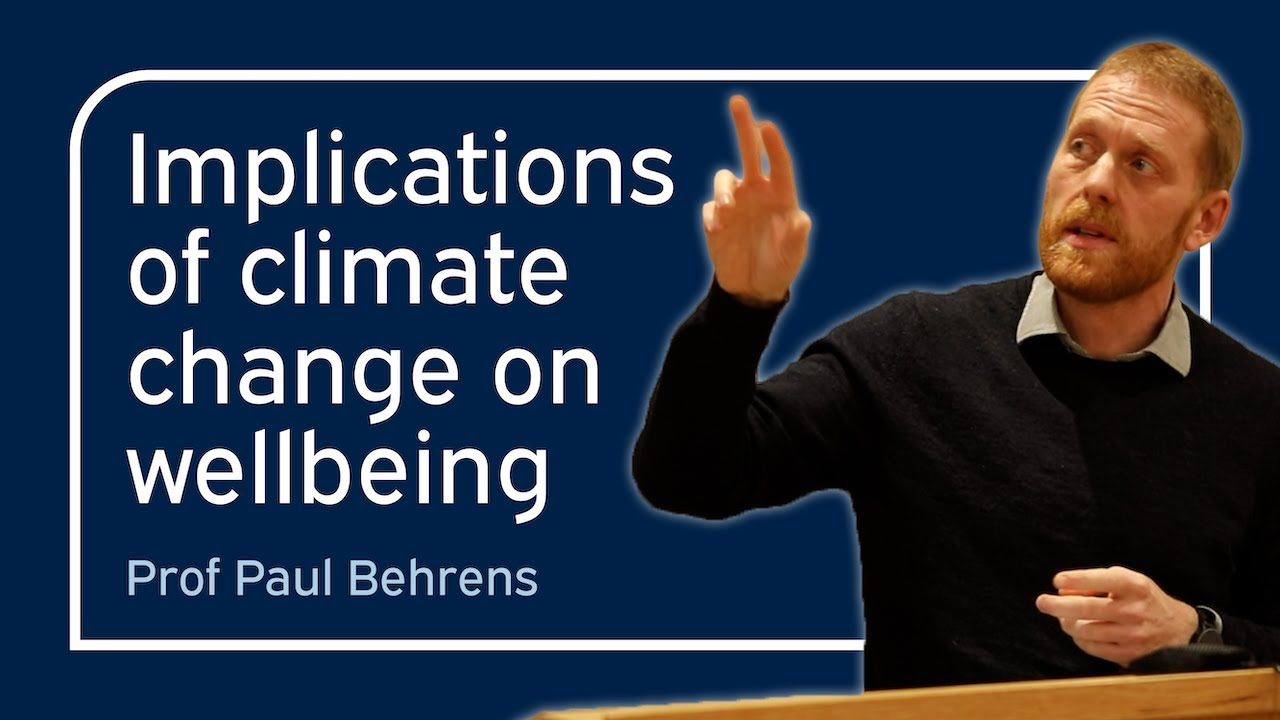 TALKImplications of climate change on wellbeingLecture · 11 Dec 2025
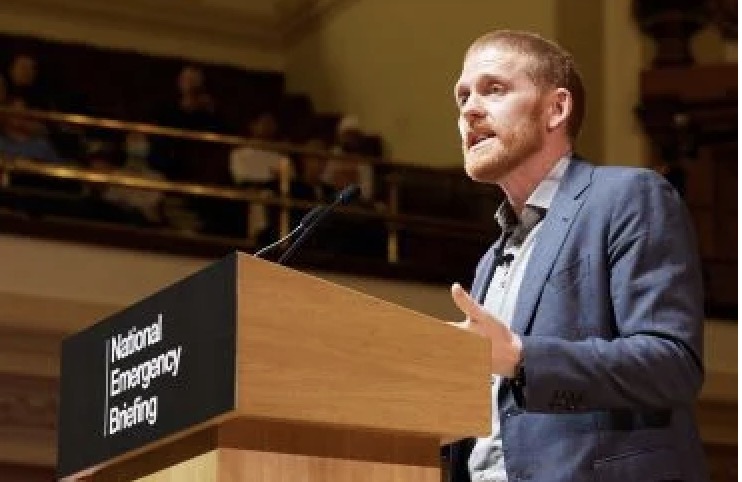 BRIEFINGNational Emergency BriefingNational Emergency Briefing · 8 Dec 2025
 PRESSExpert comment: reforming UK food systems isn’t just imperative, it’s an opportunityIn an expert comment for the University of Oxford, Paul argued that reforming UK food systems is an opportunity, not just an imperative: “We have to be straight with people about the choices ahead, because if we don’t lead this change on the front-foot, we’ll be forced into it anyway as food shocks intensify.”University of Oxford · 4 Dec 2025BY PAULWhat we told UK leaders about climate and nature at a national emergency briefingPaul wrote this for The Conversation, recounting what nine experts told around 1,200 UK leaders at a national emergency briefing on the climate and nature crises.The Conversation · 3 Dec 2025
 PRESSMethane pollution still rises, but UN reports hope for near future reductionsPaul spoke to the Associated Press about a UN assessment showing methane pollution is still rising, even as projected near-term cuts offer some hope: “This report shows some very hard truths but also a sliver of hope.”Associated Press · 18 Nov 2025
 TALKThe Future of Food (British Academy)British Academy · 17 Nov 2025
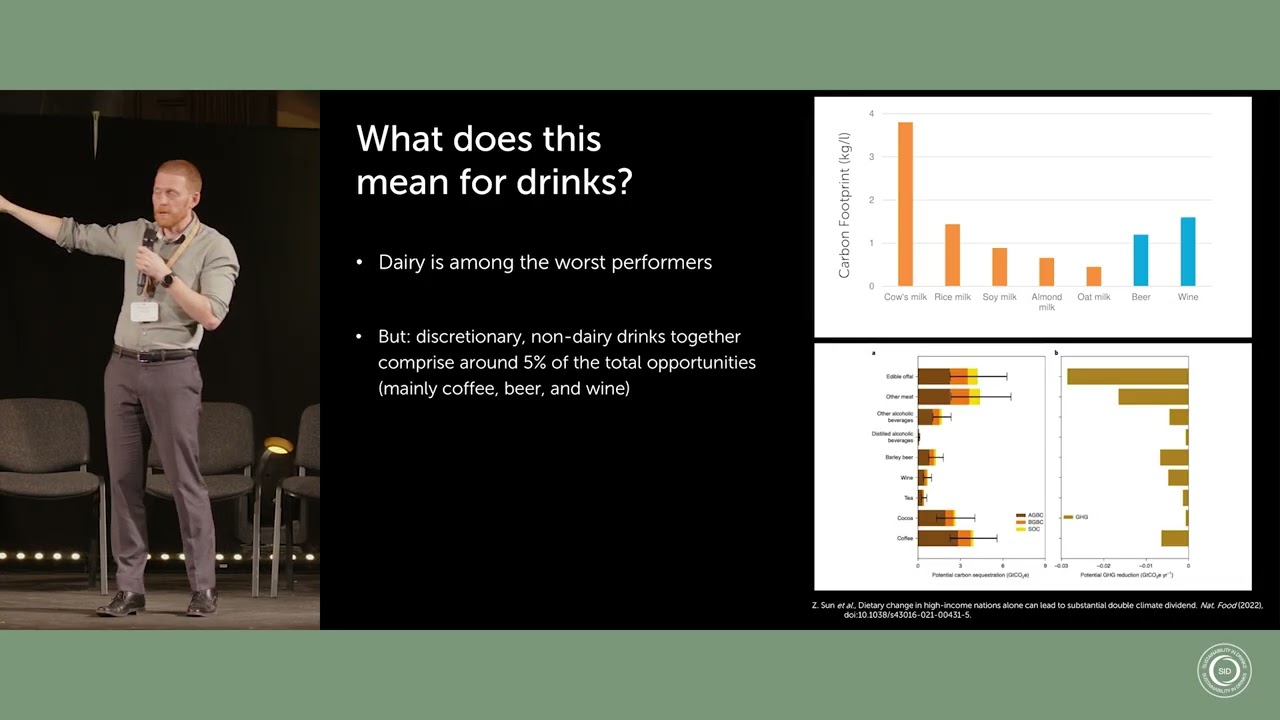 TALKSustainability in DrinksPanel · 10 Nov 2025
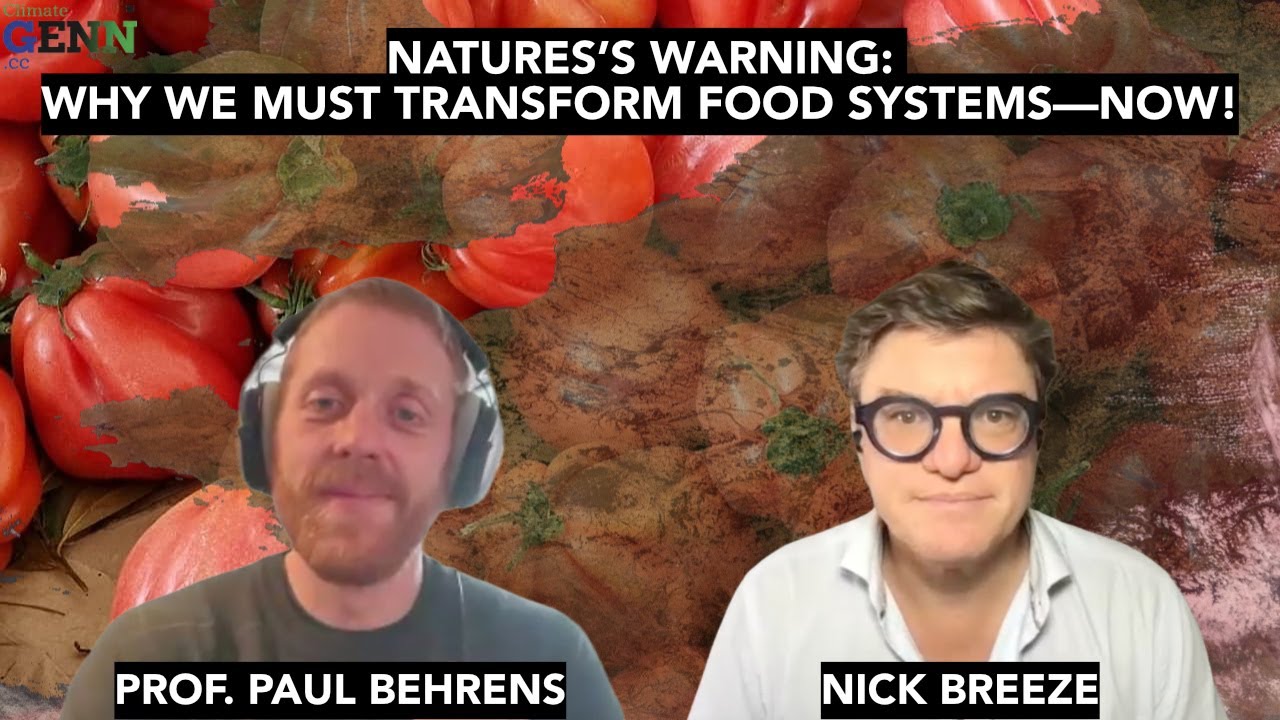 TALKNature’s Warning: Why We Must Transform Food SystemsPodcast · 19 Oct 2025
 PRESSNew Zealand’s methane targets sets a bad precedent, scientists warnPaul spoke to Bloomberg about warnings that New Zealand’s weakened 2050 methane target sets a bad precedent other governments could follow.Bloomberg · 13 Oct 2025
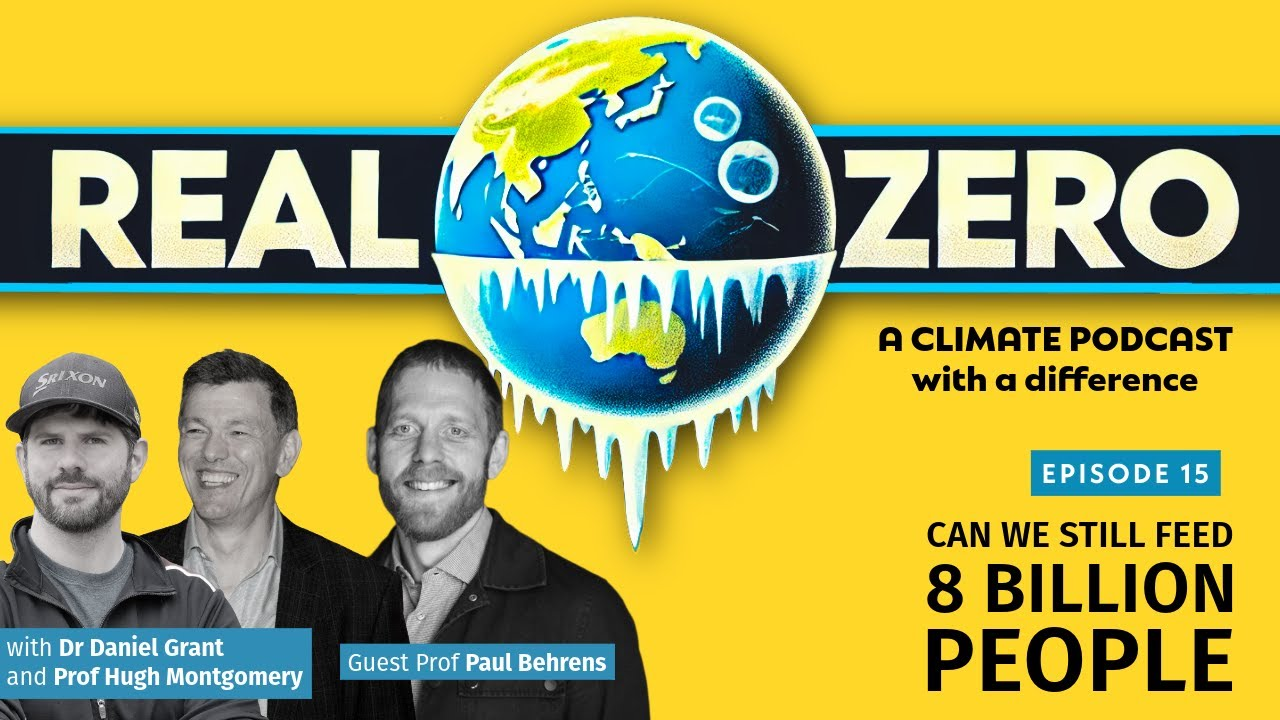 PODCASTCan We Still Feed 8 Billion People? (Real Zero Podcast)Real Zero · 21 Sep 2025BY PAULBy changing our diets now, we can avoid the food chaos that climate change is bringingThe Conversation · 3 Sep 2025
 TALKTransforming Food Systems for a Cooler PlanetLecture · 10 Jun 2025
 PRESSScientists accuse New Zealand and Ireland of trying to cover up livestock emissionsFinancial Times · 1 Jun 2025
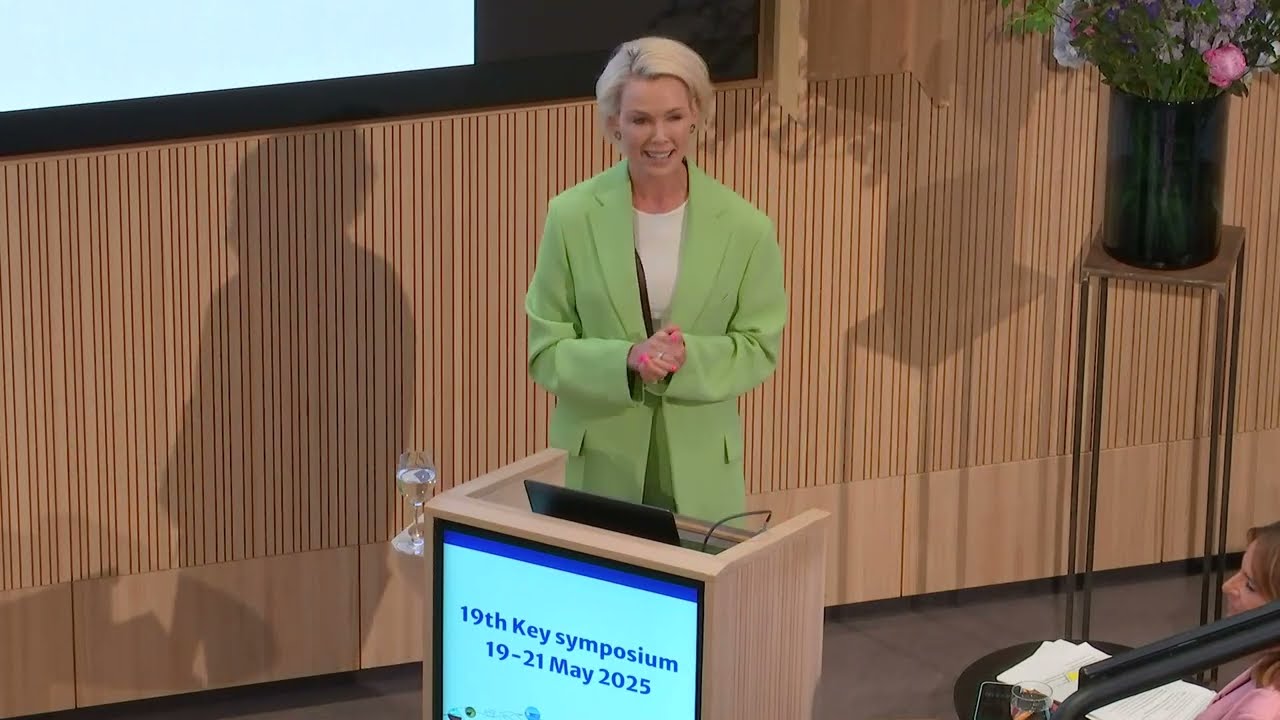 TALKThe Power Is on Your PlateTalk · 28 May 2025PRESSEU’s ‘chocolate crisis’ worsened by climate breakdown, researchers warnThe Guardian · 21 May 2025
 PODCASTPodcast: Science of the TimesScience of the Times · 15 May 2025
 TALKPlenary talk — 2025 LEAP ConferenceLEAP Conference · 11 Apr 2025
 PRESSThe Way We Eat Is About To Change — Whether We Like It Or NotForbes covered Paul’s talk at the 2025 Oxford LEAP Conference on why a shift towards more plant-based diets is becoming hard to avoid: “This transition is going to happen one way or another.”Forbes · 10 Apr 2025PRESSThe European towns that give away free chickensPaul spoke to BBC Future about French and Belgian towns that give residents free chickens to cut food waste, cautioning on bird flu and animal welfare: “I’m sure it could be done in the UK but I’m not sure it’s a good idea. Bird flu is an ever-present worry…”BBC Future · 17 Mar 2025
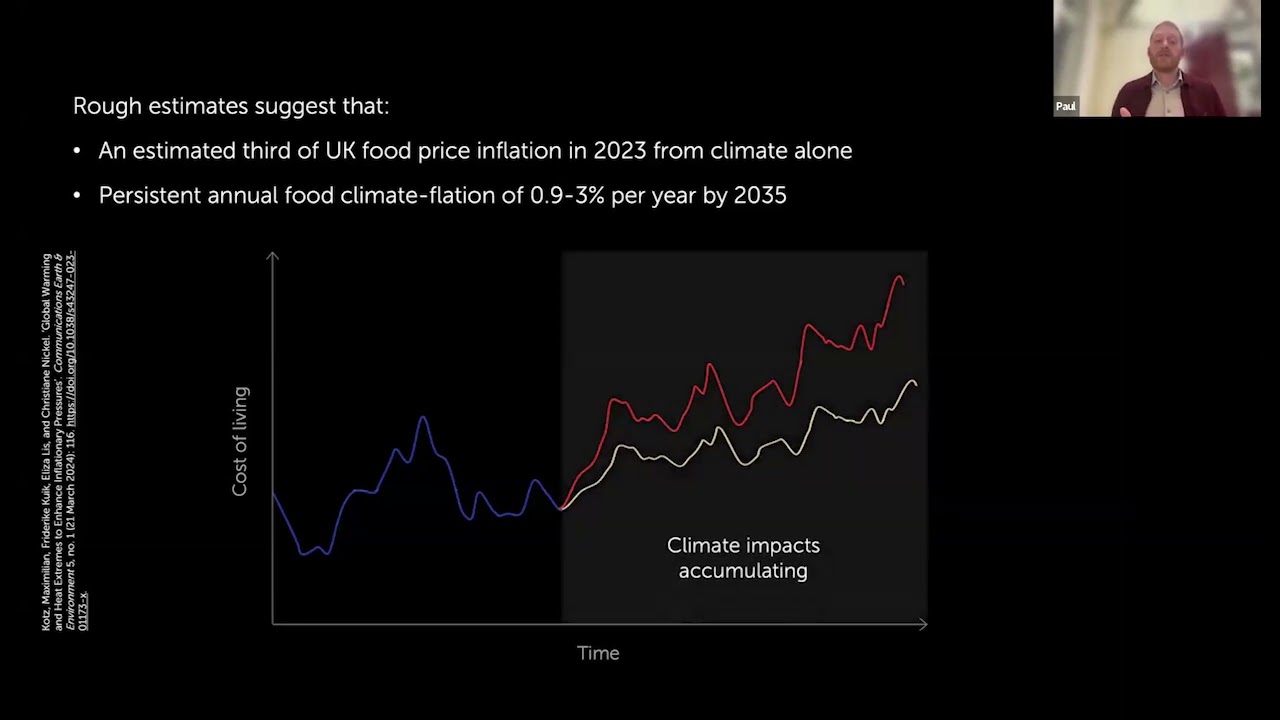 TALKFood ThinkersFood Thinkers seminar · 18 Feb 2025
 BRIEFINGThe Climate and Nature Bill Needs You!Zero Hour · 4 Feb 2025
 BROADCASTPlant Based Diets Live on BBCBBC · 28 Jan 2025BY PAULThe UK’s international commitments on climate and nature could soon become lawPaul co-wrote this piece for The Conversation with Nathalie Pettorelli (ZSL), arguing the UK’s international climate and nature commitments could be written into domestic law through a Climate and Nature Bill.The Conversation · 22 Jan 2025PRESSWill weight-loss drugs lead to upheaval in the sugar market?Paul spoke to the Financial Times about whether weight-loss drugs and soft-drink taxes could dent global sugar demand and disrupt the sugar market.Financial Times · 1 Jan 2025
2024
 TALKTowards a Liveable Planet — Oxford Martin SchoolOxford Martin School · 28 Nov 2024BY PAULEating less sugar would be great for the planet as well as our healthPaul co-wrote this piece for The Conversation with Alon Shepon (Tel Aviv University), arguing that cutting sugar intake would benefit both public health and the environment.The Conversation · 19 Nov 2024
 PODCASTTransforming Food Systems with Professor Paul BehrensPodcast · 16 Oct 2024PRESSVegan diets can contain more UPFs on average – but this might not be a problem.Paul spoke to BBC Future about anxiety over ultra-processed plant-based foods: “ultra-processed plant-based foods generally have much better nutrition scores than ultra-processed meat foods.”BBC Future · 12 Oct 2024PRESSScientists criticise UN agency’s failure to withdraw livestock emissions reportPaul told The Guardian that the FAO had failed to engage with scientists’ complaints about its COP28 livestock-emissions report: “It’s been like hitting a brick wall. The FAO has made grievous errors that need urgent correction to maintain its scientific credibility.”The Guardian · 30 Sep 2024PRESSThe global power of Big Agriculture’s lobbyingPaul spoke to the Financial Times for this investigation into the scale and political influence of the agricultural lobby in the EU and US.Financial Times · 21 Aug 2024PRESSUN livestock emissions report seriously distorted our work, say expertsPaul and Matthew Hayek (NYU) told The Guardian that the FAO’s COP28 livestock-emissions report had seriously distorted their research, and called for it to be retracted.The Guardian · 19 Apr 2024PRESSHealthier ready-to-eat meals would have ‘huge’ EU climate benefitsPaul commented to The Guardian on a report finding that healthier ready-to-eat meals could deliver large EU climate benefits: “This report is pragmatic in suggesting that not every meal has to be optimally healthy, but that the overall offering of caterers and retailers should meet dietary guidelines.”The Guardian · 17 Apr 2024PRESSEU pumps four times more money into farming animals than growing plantsPaul co-authored the Nature Food study behind this Guardian report, which found more than 80% of EU farm subsidies go to animal products: “The vast majority of that is going towards products which are driving us to the brink.”The Guardian · 1 Apr 2024
2023
 TALKFutures from the Frontiers of Climate ScienceFrontiers · 5 Dec 2023
 TALKDual Climate Benefits from a Great Food TransitionSeminar · 30 May 2023
2022
 TALKTEDx: Why Tipping Points Could Save CivilisationTEDx · 8 Jul 2022
 TALKFood Security in a Vulnerable WorldTalk · 4 May 2022
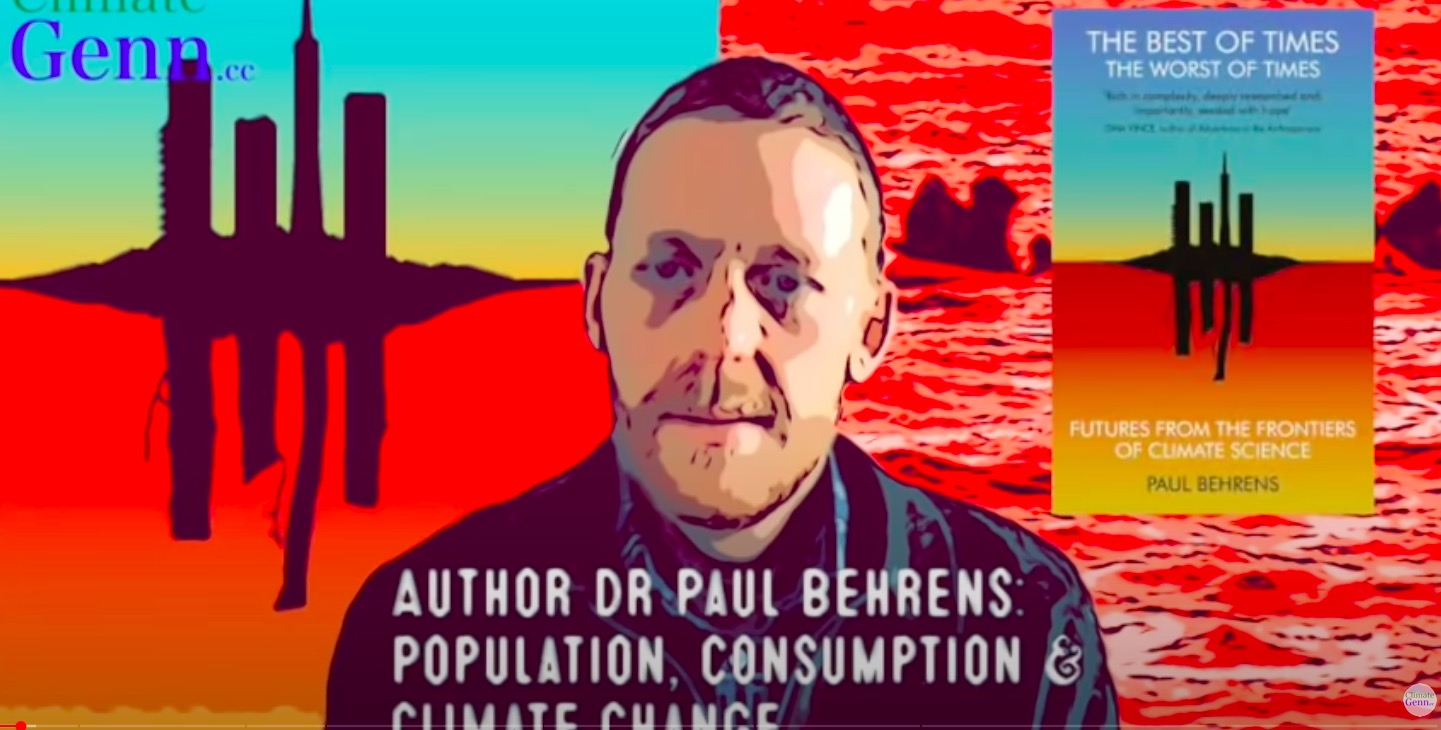 TALKPopulation, Consumption & Climate ChangeTalk · 4 May 2022
 PODCASTClimate Change with Scott Amyx: Interview with Paul BehrensScott Amyx · 6 Feb 2022PRESSVeg diet plus re-wilding gives ‘double climate dividend’Paul led the Nature Food “double dividend” study covered here by BBC News: “you could roughly double the emissions that you save by following a plant-based diet if the land was allowed to re-wild or re-forest.”BBC News · 10 Jan 2022
2021
 TALKNear-term threats and societal risk as the Earth changes stateLecture · 13 Nov 2021
 TALKThe Best of Times, the Worst of Times? COP26 chatCOP26 · 11 Nov 2021
 BROADCASTPlant-based to save the planet? COP26 press conferenceCOP26 · 10 Nov 2021
 PODCASTAre We Already Too Late? An Unflinching Look at the Climate CrisisPodcast · 4 Oct 2021Thomson Reuters FounPRESSWill renewable power take too much land? Probably notPaul wrote this opinion piece for the Thomson Reuters Foundation, arguing that fears about the land footprint of renewable power are overstated. Wind and solar can use 10 to 100 times more space than fossil fuels watt for watt, but he sets out five reasons why that is not the obstacle it appears.Thomson Reuters Foundation · 7 May 2021
 TALKFuture Scientists webinarWebinar · 6 May 2021
2020
 TALKThe Best of Times, The Worst of Times (2019)Talk · 16 Jul 2020
2019
 PRESSThe World Wastes Tons of Food. A Grocery ‘Happy Hour’ Is One Answer.Paul spoke to The New York Times about cutting food waste, including a Finnish supermarket’s near-expiry “happy hour”: “climate change is as much a land issue and a food issue as anything else.”The New York Times · 8 Sep 2019
2017
PRESSHow Much Food Do We Waste? Probably More Than You ThinkPaul spoke to The New York Times about the climate cost of food waste: “As you get higher and higher income, you get more and more profligacy in food waste.”The New York Times · 12 Dec 2017